







Search Results for: Nugu Estate
The Unique Charm of Panama Geisha and the Rise of Nugu Estate
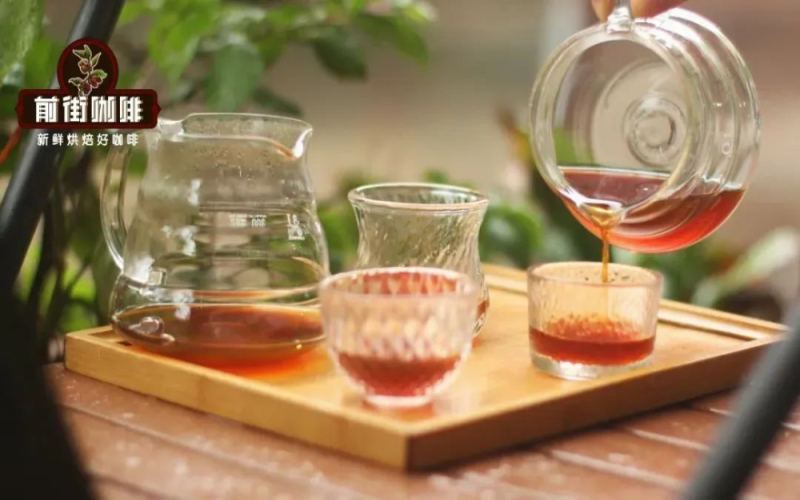
The Geisha variety is renowned in the coffee world for its delicate floral aroma and peach notes, and Panama is the core stage for this legendary variety. From being initially ignored to achieving fame at Hacienda La Esmeralda, Geisha's rise owes much to the deep cultivation by many estates. Among the many producers in Panama, the Gallardo family and their Nugu estate are particularly noteworthy—this micro-estate, located in a remote rainforest reserve, won the Best of Panama Washed category championship on its first entry, thanks to its unique microclimate and meticulous management. This article will guide you through Geisha's flavor characteristics, the layout of Panama's main producing regions, and how Nugu Estate went from zero to becoming a dark horse in the specialty coffee world. [more…]

Exploring Panama Nugu Estate Geisha Coffee: A Full Analysis of Pressure Anaerobic Fermentation and Flavor
On the map of Panamanian specialty coffee, the Volcán region is attracting more and more attention with its unique terroir charm. Nugu Estate, a micro Geisha farm nestled in the Jurutungo Valley, cultivates coffee beans that are rich yet refined in flavor, thanks to its high-altitude microclimate and innovative pressure anaerobic fermentation process. This article will take you into Nugu Estate, exploring its family background, the legendary history of the Geisha variety, as well as the details of pressure anaerobic fermentation and Front Street Coffee's roasting and brewing recommendations, so you can experience the allure of this limited-edition Geisha. [more…]
Panama Volcan Nugu Estate Geisha: Pressure Anaerobic Fermentation Process Analysis and Full Flavor Record of Pour-Over Parameters
Nuguo Estate in the Volcan region of Panama is renowned for its high-altitude microclimate and limited-production Geisha. This article provides a complete overview of the origin background, variety story, and unique pressure anaerobic fermentation process of Nuguo Estate Geisha coffee beans, and shares Front Street Coffee's roasting approach, cupping flavors, and V60 three-pour brewing parameters, helping coffee enthusiasts gain a comprehensive understanding of this specialty Geisha that combines floral and fruity sweetness with elegant acidity. [more…]

Panama Geisha Sets Another Sky-High Record: Elida Estate's 7-Pound Honey-Processed Beans Fetch $6,034 per Pound
Shortly after the 2022 BOP results were announced, the Lamastus family's independent auction once again set a new record for the world's most expensive coffee. Just 7 pounds of honey-processed Geisha from Elida Estate's Aguacatillo lot sold for $6,034 per pound, totaling over $42,000. The entire auction saw 1,762 pounds of Geisha fetch a total of $601,000. Meanwhile, the 2022 BOP top lot auction will kick off on October 7, and whether it can break the record again is drawing close attention. Front Street Coffee will also continue to track the price developments of this top-tier Geisha. [more…]
2024 Panama BOP Geisha Washed Category Third Place: An In-Depth Analysis of Nuguo Estate
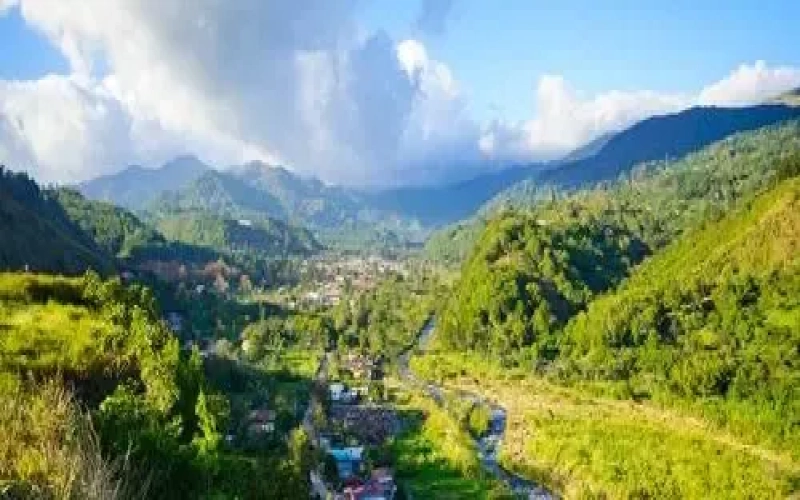
The third place in the 2024 Best of Panama (BOP) Geisha Washed category was claimed by Nuguo Estate, once again bringing this small farm located in the remote rainforest region of Renacimiento into the spotlight. Nuguo Estate covers only 5 hectares, yet through meticulous cultivation of the Geisha variety and rigorous processing, it has repeatedly achieved outstanding results on the BOP stage, including the record-breaking top lot price in 2021. This article will guide you through the terroir conditions of Panama's coffee-producing regions, introduce the Gallardo family and the heritage story of Nuguo Estate, and review its BOP competition results over the years. At the same time, Front Street Coffee also brings related product recommendations for coffee enthusiasts to taste and reference. [more…]

The Rise of Blended Beans: New Trends at the 2024 World Brewers Cup and an Analysis of the Champion's Brewing Approach
The 2024 World Brewers Cup (WBrC) and World Cup Tasters Championship concluded in Chicago, USA, with Austrian competitor Martin Wolf taking the crown. One of the biggest highlights of this year's event was that four of the six finalists independently chose blended coffee beans, ranging from two-bean blends to three-bean blends, and from cross-origin mixes to combinations of different processing methods, showing an unprecedented diversity in blending strategies. This article reviews the competition results, analyzes the competitors' blending approaches, and explores why blended beans have become a new trend in specialty coffee competitions. [more…]

Hacienda La Esmeralda Wins Three BOP Crowns Again, Geisha Auction Price May Break the Ten-Thousand-Dollar Mark for the First Time
Beijing time this morning, the results of the BOP "Best of Panama" competition, known as a bellwether for the specialty coffee world, were announced. Hacienda La Esmeralda, which once discovered and promoted the Geisha variety in Panama, once again became the biggest winner, sweeping the top scores in three categories: the Varietal group, the Geisha Natural group, and the Geisha Washed group, with 97 points for Natural Geisha, 98 points for Washed Geisha, and 92.88 points for the Varietal group, earning it the title of Best Producer of the Year. The competition leaderboard also featured many well-known estates such as Sofia, Nugu, Totumas, Elida, San Ignacio, Lerida, Maya, and Dark Moon. With its slender bean shape and floral characteristics, Geisha rewrote the landscape of origin after appearing on the BOP stage in 2004, with auction prices climbing all the way from $21 per pound. In 2024, Elida Natural Geisha even set a new record at $10,013 per kilogram. This article walks you through this year's results, the historical context, and the market significance. [more…]
Where Do the Names Geisha and Yiji Come From? A Full Analysis of the Variety's Origins, Its Rise to Fame in Panama, and Pour-Over Parameters
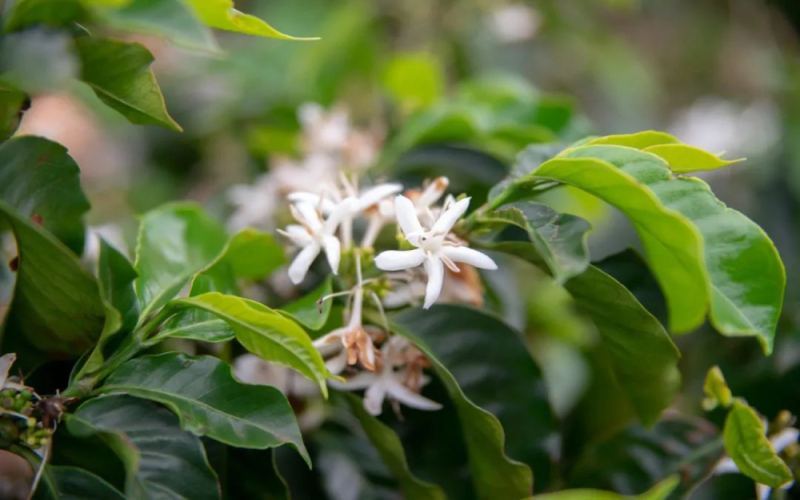
At the 2004 Best of Panama (BOP) competition, a previously unknown variety won first place with a record-breaking score, forever changing the landscape of specialty coffee—it was the Gesha. Many people wonder upon first encountering it: why is it also called "Geisha"? Where did these two Chinese names come from? This article follows the historical thread, tracing the complete journey of Gesha from being collected on Gesha Mountain in Ethiopia, passing through African research stations, settling in Panama, and then gaining fame when Hacienda La Esmeralda entered it independently in competition. It also explains the origins and trade-offs of the two translated names "Geisha" and "Guixia," and includes Front Street Coffee's pour-over recommendations and flavor descriptions for Gesha from the Boquete region, for beginners to reference. [more…]
Why Does Geisha Coffee Remain the Top of the Specialty Coffee World? From the Origin of the Name "Geisha" to a Full Analysis of Brewing in Panama's Boquete Region
Since Geisha won the Panama BOP competition in 2004, it has remained the most talked-about variety in specialty coffee, with auction prices repeatedly hitting new highs and helping many baristas reach the champion's stage. Where exactly do its elegant floral aromas and citrus notes come from? Why are there two Chinese names for it, "艺妓" and "瑰夏"? This article will start with the variety's origins, the evolution of its naming, and the discovery story of Hacienda La Esmeralda, and will also include Front Street Coffee's recommended brewing parameters and flavor description for Geisha from the Boquete region of Panama, giving you a comprehensive understanding of this legendary bean. [more…]
Panama Geisha Coffee Flavor Analysis: Variety Origins, Regional Characteristics, and Pour-Over Parameter Essentials
Geisha coffee is now regarded by many enthusiasts as synonymous with top-tier coffee, and Panama's Hacienda La Esmeralda is the most iconic classic producing region among them. This article begins with the historical origins of the Geisha variety, tracing how it went from wild seeds in Ethiopia, through Kenya and Costa Rica, and finally shone brilliantly in Panama. It also analyzes the source of Geisha coffee's unique floral, berry, and honey flavors, as well as the influence of terroir on taste. At the end, it includes the complete pour-over parameters and three-stage pouring steps for Front Street Coffee's Hacienda La Esmeralda Red Label Geisha, for coffee enthusiasts to reference and practice. [more…]
The Origin of the Geisha Coffee Name and the History of Its Variety Development: The Evolution of the Chinese Translation from Gesha to Guixia
Since winning the Panama BOP competition in 2004, Geisha coffee has firmly held the top spot in the specialty coffee world, and its elegant, refreshing flavor has captivated countless coffee lovers. However, many people discover when researching that this variety has another Chinese name — 艺妓 coffee beans. Both names refer to the same Gesha variety, but why are there two translations? What historical origins and naming considerations lie behind this? This article will trace the complete story of Geisha, from its discovery on Ethiopia's Gesha Mountain to its introduction to Panama and rise to fame, and explain the reasons and significance behind the translation "瑰夏" replacing "艺妓." At the same time, the article will also share Front Street Coffee's brewing recommendations and flavor description for Geisha from the Boquete region of Panama, for readers who are new to this variety. [more…]
Tracing the Origins of Geisha Coffee Beans: From Ethiopia to Panama, Is It Really an Arabica Variety?
Is Geisha coffee bean an Arabica variety? What variety does the Panamanian Geisha coffee tree originate from? These are questions many coffee enthusiasts often have when encountering Geisha. In fact, Geisha is precisely a precious variety under the Arabica species, and its legendary journey began in Ethiopia in the 1930s, then passed through Kenya and Tanzania to Costa Rica, and finally shone brilliantly in Panama. Front Street Coffee, through numerous cupping sessions, has had its understanding repeatedly refreshed by Geisha's fresh floral aroma, rich fruity notes, and refreshing tea-like body. This article will comprehensively sort out Geisha's varietal classification, historical transmission path, flavor characteristics, and how Hacienda La Esmeralda pushed it to the throne of top-tier coffee, while also sharing Front Street's recommended Panama Hacienda La Esmeralda Red Label Geisha and its brewing suggestions. [more…]
Ethiopia Gesha Village vs. Panama Geisha: A Full Analysis of Variety Origins, Flavor Differences, and Brewing Comparison
Geisha coffee has won over countless coffee lovers with its floral aromas and fruity notes, but you may not know that although the Geisha from Gesha Village in Ethiopia and the Geisha from Hacienda La Esmeralda in Panama share the same name, their flavors are quite different. This article begins with the historical migration of the Geisha variety, tracing its complete journey from the forests of Ethiopia to Kenya, Costa Rica, and finally to Panama, where it rose to fame, and compares the differences between the Red Label from Gesha Village in Ethiopia and the Red Label from Hacienda La Esmeralda in Panama in terms of origin, variety, processing method, and cupping performance. Front Street Coffee will also share a medium-light roast approach and Hario V60 brewing parameters, helping you understand why these two Geishas each have their own strengths, and how genetic differences create such distinctly different flavor directions. [more…]
Geisha Coffee Pour-Over Guide: Grind Size, Water Temperature, and Coffee-to-Water Ratio Parameters Explained with Brewing Tips
Geisha coffee has become the darling of the specialty coffee world thanks to its delicate floral aroma and elegant fruit acidity, but if you want to brew a delicious cup of Geisha at home, parameters like grind size, water temperature, and coffee-to-water ratio all need careful attention. From the perspective of Front Street Coffee, this article first helps you understand why the Geisha variety is priced so high and what unique advantages the Panama region offers, then breaks down in detail the complete parameters for pour-over Geisha and the three-stage pouring technique, and recommends Front Street Geisha beans suitable for beginners as well as advanced tasting, helping you easily master the brewing essentials of this star bean. [more…]
Panama Hacienda La Esmeralda Geisha Coffee Bean Variety Analysis and Pour-Over Parameter Guide
Geisha coffee beans rose to fame after winning the 2004 Panama BOP competition, but not all Geishas are expensive. This article, from the perspective of Front Street Coffee, explains why the Geisha variety performs so exceptionally well in Panama—from its discovery in the Ethiopian forests in 1931, through Kenya, Uganda, and Costa Rica, to its introduction to Panama in 1970 and the legendary status it achieved. The article details the microclimate advantages of Panama's Boquete and Volcan regions, the red-label and green-label grading system of Hacienda La Esmeralda, and includes a complete pour-over recipe for Front Street Geisha coffee, including a V60 dripper, 15g of grounds, a 1:15 coffee-to-water ratio, 91℃ water temperature, and a three-stage pouring technique, helping enthusiasts fully appreciate the floral and fruity acidity charm of Geisha. [more…]
French Press Coffee | What are the differences in coffee flavors of Geisha from different regions? How to use a French press to brew a delicious cup of Geisha coffee?
Kopi Luwak, once one of the top-tier coffees, was so hard to find that a single bean was precious. Today, the newly crowned king of coffee, Geisha, is equally hard to come by. The reason Geisha coffee is so scarce is its high price. If you really do get your hands on a bag of Geisha coffee beans, you'll naturally treat it like a treasure to be savored. However, as someone who is still [more…]
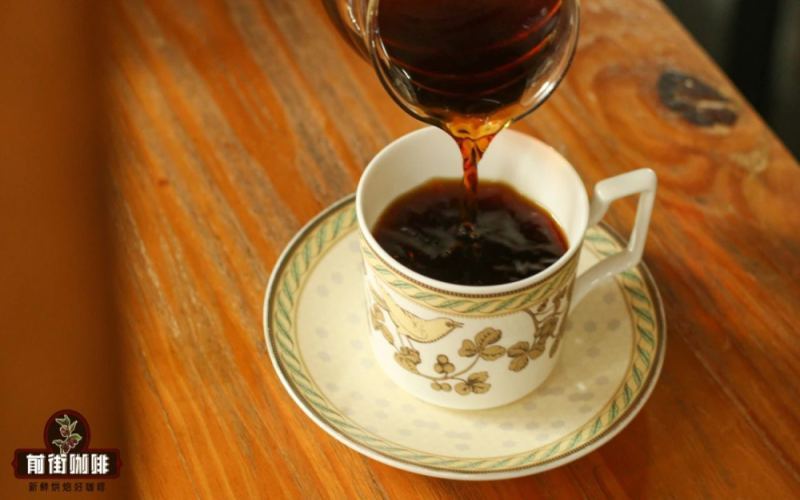
How to brew Panama Geisha coffee with a French press? Detailed explanation of coffee-to-water ratio, grind size, and operating steps
Geisha coffee is hailed as the king of the coffee world, but its high price makes it all the more regrettable if you brew it poorly after buying it. The Panama Geisha on Front Street Coffee's bean list is a light roast, known for its white floral notes, citrusy acidity, and honey-like sweetness. This article shares a complete method for brewing Front Street Coffee's Hacienda La Esmeralda Red Label Geisha with a French press, including water temperature, coffee dose, coffee-to-water ratio, grind size, and the four-minute immersion steps. It also introduces Geisha coffee's origin and terroir, the discovery history of Hacienda La Esmeralda, and several Panama Geisha products on Front Street Coffee's bean list, helping coffee lovers easily recreate the classic flavors of this top-tier coffee in their daily routine. [more…]
Panama Geisha Coffee Brewing Guide: Detailed Steps and Flavor Analysis for Pour-Over and French Press
Geisha coffee is hailed as the new king of coffee, expensive yet irresistible. If you're lucky enough to get your hands on a bag of Geisha beans, how should you brew them to do justice to their price? This article starts from the light-roast characteristics of Front Street Panama Geisha and shares in detail two brewing methods: pour-over and French press. The pour-over uses a V60 dripper, 91°C water temperature, and a 1:16 coffee-to-water ratio, bringing out white floral and citrus notes through staged pouring; the French press simplifies the process with the immersion principle, using a coarser grind and a 4-minute wait to deliver a full-bodied cup with rich berry sweetness. At the same time, the article provides an in-depth analysis of Panama Geisha's terroir advantages, the discovery history of Hacienda La Esmeralda, and the strict standards and slow sun-drying process of Red Label Geisha, guiding you to a comprehensive understanding of this top-tier coffee's unique charm. [more…]
Flavor Analysis of Panama Elida Estate Coffee Beans: Varieties, Processing Methods, and Cupping Comparison in the Boquete Region
The Boquete region of Panama has always been the golden zone for specialty coffee. Today, Front Street Coffee focuses on Elida Estate to show you what makes coffee nurtured by this high-altitude volcanic soil so unique. The article begins with the terroir conditions of the Boquete region, then traces Elida Estate's cultivation history, varietal composition, and processing methods, and combines Front Street Coffee's cupping experience to describe in detail its dry aroma, wet aroma, and overall flavor trajectory. At the same time, Front Street Coffee also compares Elida Estate with Hartmann Estate and Hacienda La Esmeralda's Diamond Mountain series, helping you more clearly understand how different processing methods and regions shape coffee flavor. [more…]

Panama BOP Champion Elida Estate Geisha Flavor Analysis: Everything You Need to Know About the Plots Under the Lamastus Family
At the 2024 Panama BOP Geisha auction, Elida Estate's natural Geisha once again set a new record with a sky-high price of $10,013 per pound, claiming the top lot. This century-old renowned estate is not reaching the summit for the first time; it is not only the first double-crown Geisha champion in BOP history, but also second only to Hacienda La Esmeralda in number of wins. Elida Estate was founded in 1918 and has now been passed down to the fourth generation of the Lamastus family. In addition to Elida, the family also owns well-known plots such as El Burro Estate and Luisito Estate, and in recent years has even purchased the high-altitude El Toro Estate. Front Street Coffee cupped this champion bean this time, and it displayed the captivating flavors of pomegranate, peach, white floral notes, and black tea. This article will give you a comprehensive understanding of Elida Estate's history, plot distribution, and flavor performance. [more…]